
Mystery is a famous genre with multiple subgenres, ranging from noir to cozy mystery, police procedurals, legal thrillers, detective fiction, and more. Over the years, cozy mystery and detective fiction have become independent genres with more subgenres and classifications, such as amateur sleuth, culinary mysteries, small town mysteries, locked room, paranormal, medical, humor, etc. Some of these are also tropes (like amateur sleuth and locked room), offering several options to use the tropes in books and movies.
Our topic for this post is one of the current common storytelling tropes in cozy mysteries, the amateur sleuth. It continues to be a hit despite the flaws because it appeals to the nosiness in society and gives a sense of satisfaction of being the one to expose the crime.
Who is an Amateur Sleuth?
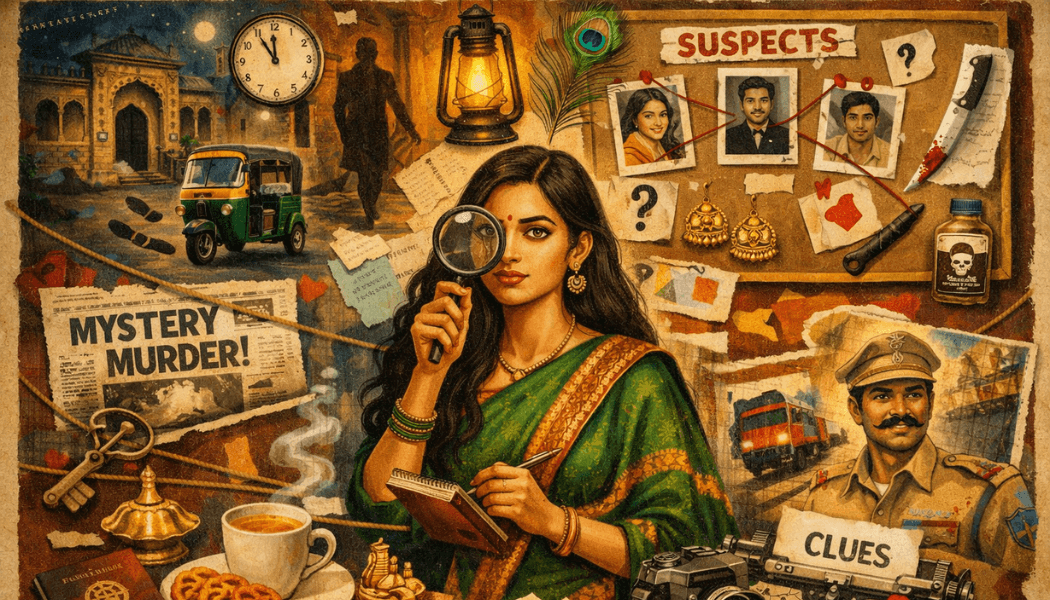
An amateur sleuth is an everyday person like you and me who ends up becoming a detective to solve a crime that somehow the professionals cannot/will not. They have no formal training, no PI (private investigator) license (at least not initially), and may or may not be interested in the case. So why do readers love this trope? Well, I can’t speak for all, but I’ve wanted to be a detective since I was a child (several years before I read Sherlock Holmes or Hercule Poirot). There’s something romantic about being a sleuth, finding clues, tracing patterns, and connecting the dots to help deliver justice.
A couple of examples of this trope are The Thursday Murder Club Series by Richard Osman and Molly the Maid Series by Nita Prose. And how can I even forget Miss Marple by Agatha Christie or Nancy Drew by Caroline Keene!
Amateur sleuth is also a popular trope/subgenre for indie authors. With small publishers and trad houses joining the game, there are countless books with main characters who play sleuths.
Key Features of the Amateur Sleuth Trope
Amateur sleuthing is among the popular writing tropes because readers can see themselves in the main character and try to solve the case in parallel. Here are the key features that define this trope.
Personal Stake: the character has to solve the case, either to clear their name or that of someone they cherish, making it personal rather than just duty.
Community Role: neighbors, family, and others pitch in to help with sleuthing, with varied results.
Gossip and Rumors: a lot of information is gathered through gossip, conversations, and repeated visits to other people’s homes.
Unique Insight: the characters bring their unique perspective based on their backstories/careers/etc. (think of Miss Marple).
Ineffective Police: the police/cop/official investigator is either ineffective, corrupt, or dull, thus highlighting the main character.
Why the Amateur Sleuth Trope Works
Writing tropes can be explained based on what makes them appeal to readers and inspire several more books/stories with similar tropes and plotlines. The Amateur sleuth tope works because it shows what an ordinary person and a community can do when they put their mind to it.
Readers Play Sleuths: it’s not just characters who solve the crime, but readers join in too, hoping to identify the killer before the sleuth does
Desire for Justice: who doesn’t feel a sense of satisfaction when the wicked get their due? When an ordinary person delivers it, the emotions intensify.
Found Family: the amateur sleuth is usually supported by someone in the family or a few community members, creating a found family trope within the plot.
Touch of Romance: many cozy mysteries, especially series, have an overarching romance thread, adding some lovey-dovey scenes to grisly murders.
Excitement: the amateur sleuth gets into tense and dangerous situations, which can be exciting and entertaining, especially in the last quarter of the book.
Common Clichés & Pitfalls of the Amateur Sleuth Trope
If someone asks how to write this trope well, the answer would be to know which trope clichés to avoid and ways to play with them to make the plot gripping from start to finish.
Excess Curiosity: the characters are too curious and nosy, asking questions no one would probably ask when meeting someone for the first time!
Eccentric Side Characters: an aunt with peculiar behavior, a neighbor who flirts with even a plant, rude main characters loved by everyone, ‘hot mess’ characters who are ‘cute’.
Useless Officials: it seems like the only way the amateur sleuth can be the hero is when the cops are inefficient.
Romance with the Cop: this was a common cliché in many indie cozy mysteries, where the cop fell in love with the amateur sleuth or vice versa.
Coincidences and Epiphany: things happen way too conveniently, or the sleuth connects the dots exactly at the right time to solve the case.
TSTL Heroine: female sleuths are somehow made to be too stupid to live rather than capable, making us wonder if they would survive even a day in real life.
Unreliable Narrator/Withholding Information: deliberately not revealing information that would allow readers to guess the culprit.
OTT Twists: though seen more in domestic and psychological thrillers, over-the-top twists can be found in other mystery genres, too. Twists for the sake of it are likely to be ineffective.
Practical Tips to Write the Amateur Sleuth Trope
Who doesn’t like a few useful storytelling tips for writers to create interesting and relatable amateur sleuths? With countless sleuths of all ages ruling the fictional mystery world, here’s what you can try to make your main character stand out.
Internal vs. External Conflict: while the external conflict is around the murder/crime, the internal conflict deals with the ethical and moral aspects of it.
Smart and Sensible: bumbling heroines might be fun for a while, but make sure to pack their brains with common sense and logical thinking. Intelligence is sexy.
Emotional Vulnerability: even the most hardened sleuth should have some form of emotional vulnerability or soft spot to make them human.
Gradual Growth and Expertise: amateur sleuths don’t become experts in a day. They are allowed to make mistakes and learn.
Align with Personality: how do the sleuth’s age, education, family background, career, etc., influence their ability to solve crimes?
Organic Social Interactions: repetition is integral to mysteries since social interactions cannot be limited to soft interrogation.
Humor and Romance: a touch of humor and a dash of romance are good for garnishing. Don’t let them overpower the central plot.
Variations of the Amateur Sleuth Trope
What variations can you make to the amateur sleuth trope to make it different from the current trends in the market? We already have kid detectives, senior citizen detective clubs, hot mess female sleuths, and others featured in many books.
Multiple Sleuths: why have a single sleuth when a bunch of them can go around snooping but independently (murder clubs are already famous)?
The One Who Fails: what if the amateur does not solve the case but helps the police, nevertheless? Or maybe they return a few years later to solve the cold case!
Former Detectives: given the sleuth some past experience by making them a detective or an inspector (retired or left the job). The Armstrong and Oscar Cozy Mystery Series by T. A. Williams has a retired British DCI who relocates to Italy (Florence) and becomes a licensed PI.
Niche Skills/ High IQ: maybe your amateur sleuth is a brainy person with a high IQ and niche specializations that give them an upper hand in solving crimes.
Varied Timelines: from historical to futuristic, you can set the mystery in any era/period. My favorites tend to be historical mysteries.
With Real People: some mysteries have real people solving crimes alongside fictional sleuths (like Agatha Christie), or we have retellings with famous fictional detectives (Holmes) as side characters!
Examples of the Amateur Sleuth Trope in Books
Oh, well! This could be a never-ending section if I list books with amateur sleuths. Since mystery is one of my favorite genres, I will mention the series that have this trope from my reading list (you’ll notice that many of them are published by small presses, with a couple of indie and one trad series).
- Flora Steele Series by Merryn Allingham (historical, post WWII)
- Julia Bird Mysteries by Katie Gayle
- Enola Holmes by Nancy Springer (historical/ Holmes retelling)
- Lady Julia Grey by Deanna Raybourn (historical/ trad publishing)
- The Detection Book Club by Kelly Oliver (historical/ has real people like Christie, Dorothy Slayers, etc.)
- Apple Orchard Series by Chelsea Hale (indie/ food cozy)
- Tate and Bell Mystery by Irina Shapiro (historical/ blends amateur sleuth and police procedural)
- The Baker Street Mysteries by Holly Hepburn (historical/ Holmes retelling)
- Spencer & Reid Mysteries by Cara Devlin (historical/ indie/ blends amateur sleuth and police procedural)
Final Thoughts
The amateur sleuth trope will continue to rule the charts for many years to come. In fact, there are a few nonfiction books about armchair detectives and amateur sleuths and the cases they tried to solve. You might even find a local club if you search hard.
Until then… grab a book and solve a case!