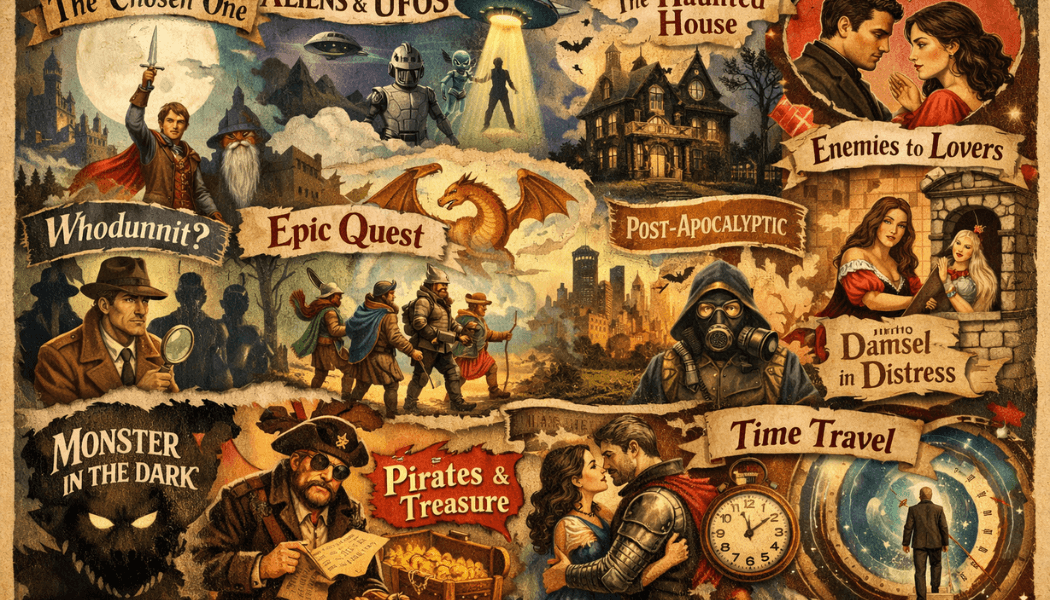
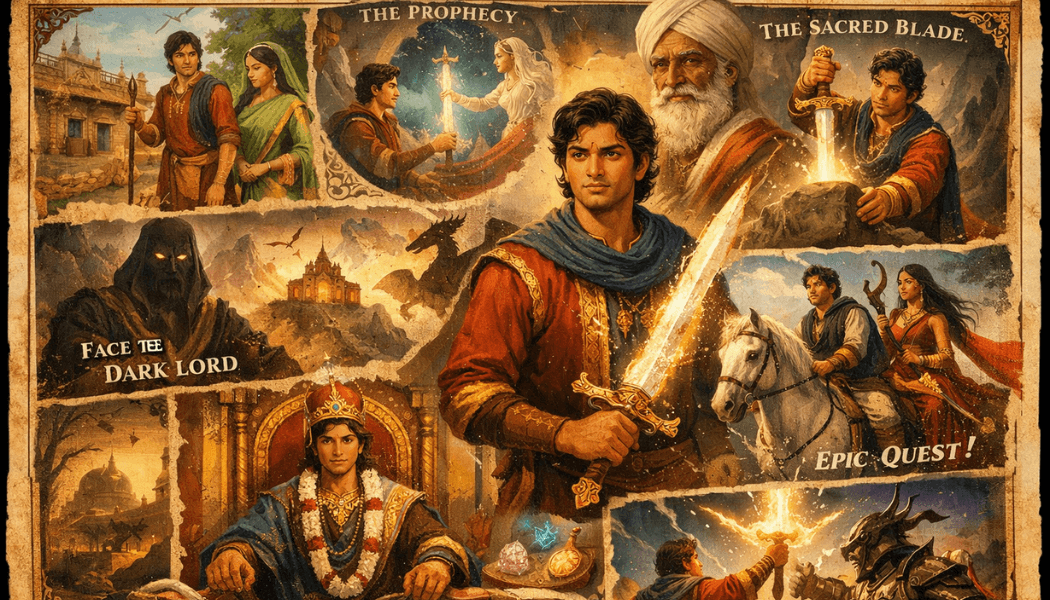

A trope is a turn of phrase or a figure of speech referring to a deeper meaning. Fictional stories are typically built on tropes, either following a known arc or turning it around to add a fun twist. Fantasy is no exception to popular writing tropes, and in this article, we’ll look at one of the most used fantasy tropes, the Chosen One.
Despite hundreds of stories having the same trope, it continues to appeal to readers of all ages. The reason is simple: there is something powerful when an ordinary person does extraordinary things and is destined for greatness.
Who is the Chosen One: Writing Tropes Explained
The Chosen One is destiny’s child, often an underdog or someone considered less than ordinary, who suddenly goes on a quest and realizes they are meant for greatness. Harry Porter is the best example. It can be found in fairytales and their retellings, too.
Though the trope can be used in different genres, it is found more in fantasy and its adjacent genres. If we have to be highly specific, it targets tweens and teenagers (middle graders to older young adults) who straddle two worlds of being a child and growing up into an adult. The trope appeals to the inherent desire to be significant, to matter, to make an impact, to be someone important in some manner.
After all, who doesn’t want to be seen, heard, and respected?
Key Features of the Chosen One
Like all tropes in books and movies, this one too has certain features that define it.
Destiny: predetermined, prophecy, higher power
Underdog to Hero: someone inconsequential to someone powerful
Abilities and Powers: hidden skills/abilities, unlocking talents
Reluctance to Acceptance: struggling to accept their ‘predestined’ destiny
Quest or Journey: physical or emotional (usually both) growth through trials
Layered Conflict: internal struggle, external battles, and hardships
From Real to Other Realms: blending reality with fantasy in some form
The Change: the hero is no longer the person they were; they are better, brighter, happier, and loved
Why the Chosen One Trope Works
From mythologies around the world to modern fantasies, the trope continues to be loved and appreciated for various reasons. Here’s why readers love this trope:
Emotional and Psychological Impact: the desire to be important/valued
Overcoming Obstacles: from being a victim to saving victims as a hero
High Stakes and Success: the harder the quest, the bigger the reward and satisfaction
Relatability: identifying with the character on a deeper level
Setting and Adventure: rich world-building combined with emotional appeal
Good vs. Evil: another classic trope that makes the chosen one triumph over evil
Common Clichés and Pitfalls
Like every other trope, the chosen one has to be handled with care rather than with a checklist. While there isn’t anything wrong with clichés, knowing how to use them is crucial to making your story stand out.
A few common trope clichés to avoid are as follows:
Overdoing the Pathos: an orphan or abused person discovers their true identity, but only after being ill-treated for years
Excessive Struggle: the trials seem never-ending, and nothing works for the hero
Misunderstandings: from incorrect interpretations of the destiny to secrets partly revealed for deliberate miscommunication
Too Much Resistance: the character cannot accept their true self, even halfway through the story
Same Old, Same Old: some torture, a few struggles, a couple of emotional outbursts, a showdown, and the HEA arc can become boring
Love and Romance: do they or do they not trust the person they are attracted to?
Coincidence and Convenience: things suddenly become easy as the story reaches the end
A Teenager: a young adult traversing through fantasy worlds to fulfill their destiny
Tips to Write the Chosen One Trope
How do you use the same trope featured in endless works over centuries and make it work for your readers? If so many people used the trope, it can’t be that hard to get it right, can it? Keep reading to know how to write this trope well!
Have a Plot: this shouldn’t have to be said, but you need a proper plot and not just a string of dramatic scenes bound together
Know Your Character: what makes them who they are—the flaws, strengths, personality—everything
Find the Balance: the hero should struggle, but don’t make it misery porn; on the flipside, don’t make it too easy
Quests that Make Sense: the challenges should align with destiny and the central conflict; answer the why clearly
Build a Support System: the hero’s journey is not solitary; there have to be characters offering support in a relatable manner; give the side characters some depth
Smart Surprises: thrown in a twist or three; ensure they strengthen the plot and don’t poke holes into it; don’t nullify the quest/growth or instant gratification
Lessons Don’t Have to be Preachy: include a moral lesson, but don’t give lectures for pages or hit the reader over the head with repetition
Villains with Depth: don’t have the villains as cardboard cutouts or caricatures who do bad things for the sake of it; know what motivates them
No Kitchen Sink: themes are important, but don’t dump everything under the sun into the same story; you have more stories to write
Variations of the Chosen One
Own the trope and make it yours by giving it a special twist/variation/treatment. This is a great way to use the clichés while preventing them from diluting the story. These storytelling tips for writers might trigger an interesting plot.
The Dark Hero: what if your hero is actually an antagonist with a mission?
The Older Hero: why can’t the chosen one be an exhausted middle-aged mother or a sixty-something retiree with too much time on their hands?
The Comic Hero: who says adventure cannot be fun and lighthearted with silly mishaps?
The Gang of Heroes: why stop at one when you can choose a bunch of them?
Reverse Gear: what if the chosen one loses their powers to end up as an ordinary and loves it?
Examples of the Chosen One in Books
Apart from Harry Porter, the trope is found in many popular books. Here are a few trope examples in fiction:
- The Percy Jackson and the Olympians Series and The Heroes of Olympus Series by Rick Riordan (YA fantasy)
- The Dragon Hearts Legacy Trilogy by Nora Roberts (adult romantic fantasy)
- The Inheritance Cycle Series by Christopher Paolini (YA fantasy)
- The Hunger Games Series by Suzanne Collins (YA fantasy
Final Thoughts
The chosen one is among the common storytelling tropes and a favorite even after all these centuries because it shows readers that everyone can be special in some form, and challenges will eventually end to give them what their hearts desire. By making the characters and their actions relatable, you keep the readers hooked to the story, and they experience the tidal wave of emotions as if they are on the same quest.
This post is a part of the Trope Talk Series on Wings in the Woods.