
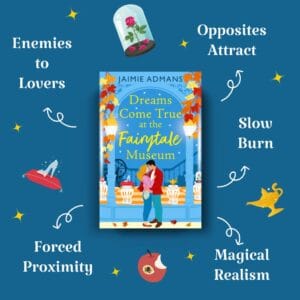
We often hear the word trope in reading and writing circles. Publishers are spending loads of money on marketing books based on tropes to attract more audience. From TikTok to Instagram, there are reels, videos, and cutesy graphics highlighting tropes in the book. For example, this post on Instagram by Boldwood Books lists the tropes in the book titled Dreams Come True at The Fairytale Museum by Jamie Admans.
What is a Literary Trope?
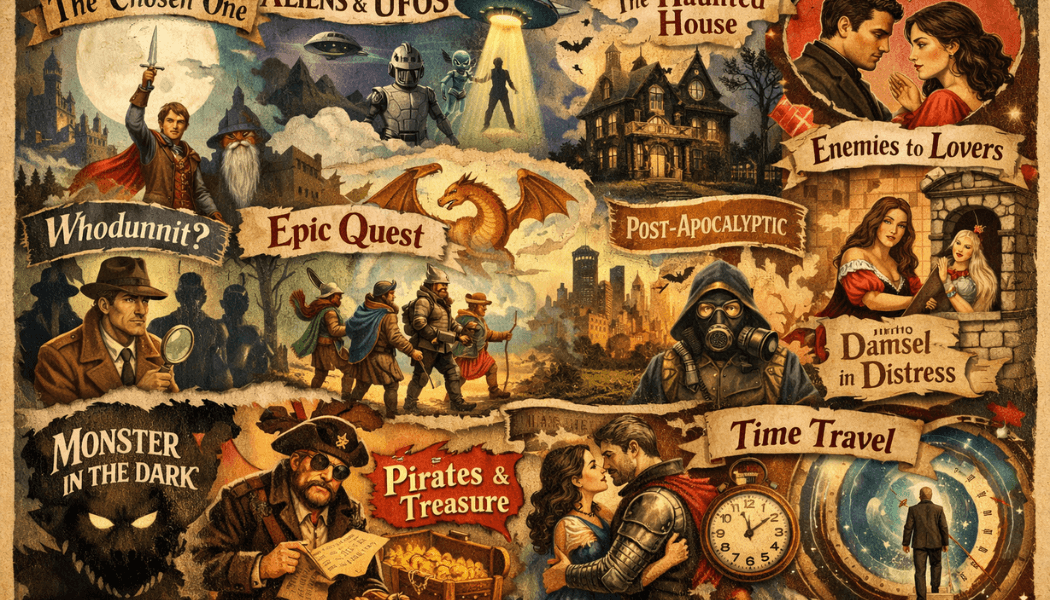
A trope has many meanings based on where and how it is used. For our purpose, we will consider it as one of the figures of speech or literary devices used in storytelling. Tropes are found in books, movies, TV shows, and even albums. While some tropes are limited to their genres, many can be used across genres, as subplots, or combined with other tropes to create a layered story.
If we consider the above example, the book has four romance tropes: enemies-to-lovers, forced proximity, slow burn, and opposites attract. These tropes play a role in determining the romance arc and the interactions between the main characters. By using them for marketing purposes, publishers want to reach out to romance readers who are partial to these styles of love stories. Additionally, the tropes set expectations in readers about what to expect.
Pros and Cons
The advantage is that readers can choose books based on their preferences and are less likely be caught off guard reading something they don’t prefer. Let’s say I dislike the love triangle trope. The mention of it in the blurb and/or the marketing material tells me I won’t enjoy the book. If I still read the book, it is on me. I can’t blame anyone else for the lack of enjoyment.
The disadvantage is that you pretty much know how a lot of the story will play out because publishers have been listing as many tropes as possible, even if they don’t fully apply. Moreover, because of this, the actual contents may not meet your expectations. The focus has shifted so much to tropes that now every book has at least three of them, and some have even nine or ten! The story has become less about the characters and more about what tropes can be included in the plot to make it attractive to as many readers as possible.
Marketing practices aside, knowing the tropes allows storytellers to create unique plots, have more control over the story, or find inspiration when stuck. That’s because you can use a trope as it is, twist it, invert it, or even make a parody out of it.
Examples of Tropes in Literature
Let’s look at a few examples of tropes in different genres. In the Trope Talk series, we’ll explore each of these and many more as individual posts, detailing their features, clichés, variations, and tips for storytellers to use the tropes effectively.
Romance
Romance is one of the largest-selling genres with a vast reader base. It is chock-full of tropes that woo the readers and add more books to their TBR (to be read) piles. Many of these tropes are also found in the romance-adjacent genres such as romantasy (romance+fantasy), women’s fiction (also called chicklit), romcom (romantic comedy), etc.
Jane Austen’s Pride and Prejudice is a perfect example of enemies-to-lovers. The miscommunication trope has lost its charm as readers (me included) prefer that the characters talk to each other.
- Enemies to Lovers
- Friends to Lovers
- Fake Dating / Pretend Relationship
- Second-Chance Romance
- Opposites Attract
- Forbidden Love
- Love Triangle
- Grumpy x Sunshine
- Slow Burn
- Forced Proximity
- Workplace Romance
- Childhood Sweethearts Reunited
- One-Sided Pining
- Miscommunication/Misunderstanding
Psychological Drama
As the term suggests, the tropes in this genre deal with the psychological and moral aspects of the story. The Catcher in the Rye by J.D. Salinger can be an example of the identity crisis trope. Many classics dealt with such tropes.
- Unreliable Memory
- Moral Dilemma
- Character Redemption
- Tragic Flaw
- Fall from Grace
- Broken Hero
- Identity Crisis
- Grief and Healing
Fantasy
Fantasy is yet another best-selling genre, and now, thanks to the inclusion of romance, the new genre, romantasy, has tons of series with similar-sounding titles and cover images. While the Harry Porter series by J.K. Rowling is a great example of the chosen one trope, A Court of Thorns and Roses by Sarah J. Maas is a romantasy book (and series) with the fated-mates trope.
- The Chosen One
- Prophecy / Destiny
- Magical Mentor
- Coming of Age
- Hidden Royalty
- Quest / Journey
- Dragon Companion
- School of Magic
- Good vs Evil
- Power Corrupts
- Sacrificial Hero
- Reluctant Hero
Science Fiction
I like to think of science fiction as the STEM cousin of fantasy (which is arts). It requires the same level of detailing and world-building, but has a serious tone like a scientist (and fantasy has witches). The Martian by Andy Weir is a good example of the space exploration trope in this genre. Steven Spielberg’s ET and Encounters with the Third Kind have the aliens trope.
- Time Travel
- Aliens
- Alternate Universes / Multiverse
- Artificial Intelligence
- Dystopian Future
- Post-Apocalyptic World
- First Contact with Aliens
- Space Exploration
- Human vs. Machine
- Memory Manipulation
- Cloning / Genetic Engineering
- Techno-Utopia vs. Techno-Dystopia
Mystery / Thriller
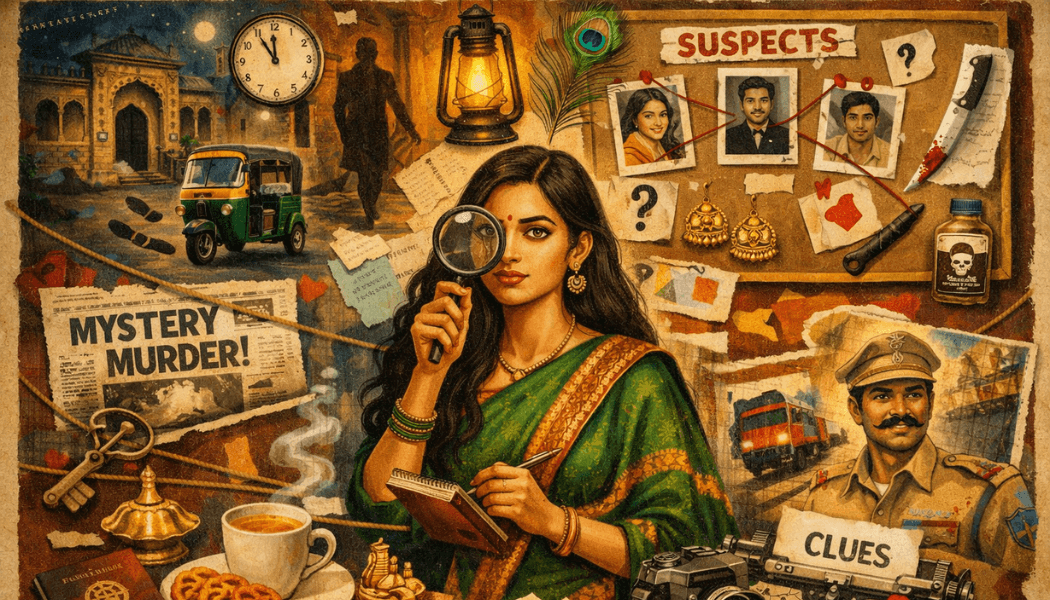
Mystery is a vast genre with numerous sub-genres and branches, so it is full of tropes we find across these categories. Amateur sleuths are found in cozy mysteries, while psychological thrillers tend to have unreliable narrators. And Then There Were None by Agatha Christie is an example of a whodunit as well as the locked room trope.
- Whodunit
- Red Herring
- Unreliable Narrator
- Detective with a Troubled Past
- Cold Case Reopened
- Serial Killer Chase
- Race Against Time
- Hidden Identity
- Conspiracy Uncovered
- Twist Ending
- Locked Room
Horror
Horror can be an acquired taste; it sends chills down the spine or unleashes nightmares as readers dive into the books. The haunted house is a widely popular trope, especially in visual entertainment media (movies, TV shows, OTT series), followed by possession. The Shadow of the Wind by Carlos Ruiz Zafón is an example of the cursed object trope and how it affects people’s lives.
- Haunted House
- Cursed Object
- Possession
- Final Girl
- Monster in the Dark
- Isolation / Trapped Setting
- Creepy Child
- Psychological Horror (mind vs reality)
- Body Horror
- Urban Legend Comes to Life
- Slasher horror
Conclusion
How you use tropes makes them good or ill-suited to the story. While some people frown upon tropes as clichés, they are valuable in many ways and can trigger innovative plot ideas in writers. Just make sure your story is more than a trope or what it defines. Use it to set the stage, and let your characters choose where to lead the plot.
Saving this on Pinterest. It is so well explained! Thank you.
Thank you, Radhika! Happy that it was helpful!